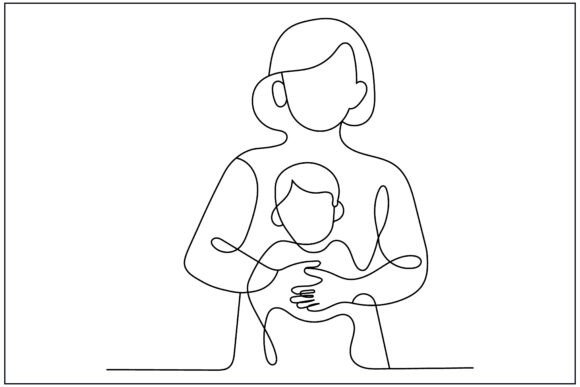
Childcare Provider Line Art
As a designer and embroidery product reviewer, I often find myself evaluating line art designs for their practicality in real-world projects. Childcare Provider Line Art is one such design that promises versatility but requires careful consideration before use. Let me walk through my thought process on how this design would perform in various embroidery applications and what to keep in mind when using it.
First Impressions: A Simple yet Effective Design
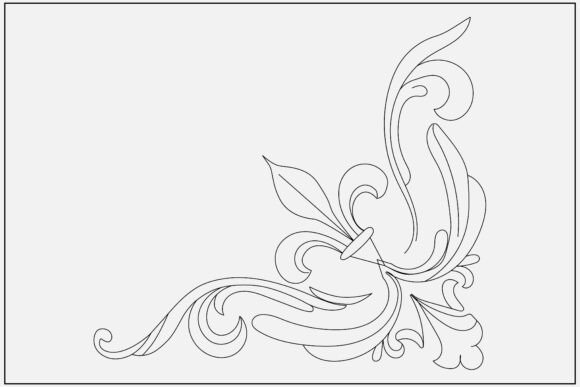
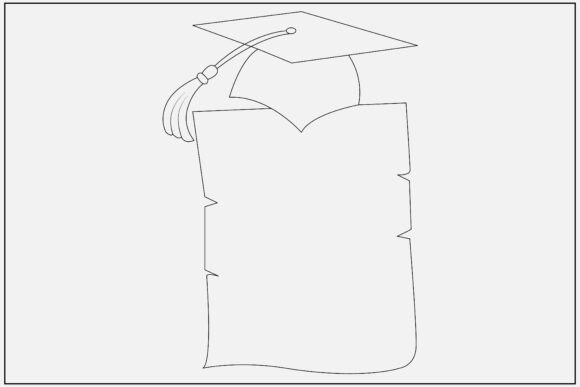
The first thing that stands out about Childcare Provider Line Art is its clean, minimalist style. The design features clear outlines and straightforward shapes, making it ideal for a range of embroidery projects. It has a soft, approachable mood that fits well with themes related to childcare, education, and family-oriented products.
The layout is balanced, with enough detail to be recognizable without being overly complex. This makes it suitable for both simple and more intricate applications, depending on the stitch type and fabric choice. The visual personality of the design is professional yet friendly, which could make it a good fit for small business branding or handmade shop items.
Real-Life Use Cases: From Tote Bags to Nursery Decor
Imagine you're preparing a custom embroidered tote bag for a daycare center. Childcare Provider Line Art could work well as a subtle, elegant design on the front. It would add a touch of professionalism without overwhelming the canvas. Similarly, if you're creating a sweatshirt for a childcare provider, the design could be placed on the back or sleeve, offering a clean and memorable look.
This design also has potential for baby items like onesies, blankets, or pillow covers. Its simplicity makes it easy to adapt to smaller hoop sizes, though I’d recommend testing it on scrap fabric first to ensure it translates well to different materials. For a personalized gift, such as a custom apron or cap, the design could serve as a decorative accent that feels handmade and thoughtful.
Where to Be Careful: Fabric and Stitch Considerations
While Childcare Provider Line Art is visually appealing, there are certain scenarios where it may not perform as expected. If you're working with small hoop sizes, you might find that some details get lost or distorted. Similarly, on textured fabrics, the line art could appear less crisp, especially if the fabric has a rough weave or nap.
Thin or stretchy fabrics can also pose challenges. The design may not hold up well on materials that shift during stitching, and the thread colors might not show up clearly against dark backgrounds. If you're planning to use it on layered garments or curved surfaces like caps, you’ll need to adjust your technique to ensure the design stays in place and looks consistent.
Visual Appeal and Customer Perception
When it comes to visual appeal, Childcare Provider Line Art is effective but not particularly flashy. It’s the kind of design that works best when paired with other elements, such as text or additional graphics. However, as a standalone piece, it can still create a sense of professionalism and craftsmanship, which is crucial for handmade products and Etsy listings.
Stitching clarity is another important factor. The design’s low stitch density means it won’t require too much thread, which is great for cost efficiency. But it also means that the lines may appear faint on certain fabrics, especially if the stabilizer isn’t properly applied. This could affect the overall value of the finished product and customer trust, especially if the embroidery looks incomplete or rushed.
Practical Tips for Embroidery Designers
If you’re planning to use Childcare Provider Line Art in your next project, here are a few key tips to keep in mind:
- Test on scrap fabric before committing to a final product. This helps identify any issues with stitch density, thread color contrast, or fabric compatibility.
- Check the hoop size required for the design. Some line art may not fit in standard hoops, so you may need to adjust the size or split the design into sections.
- Inspect small details carefully. Even minor imperfections in the design can become noticeable after stitching, especially on larger items like tote bags or aprons.
- Use proper stabilizer for delicate or stretchy fabrics. This ensures the design remains stable and doesn’t pucker or distort during the embroidery process.
- Confirm licensing before selling finished items or digital products. While the description mentions it’s suitable for many creative uses, always double-check the terms to avoid any legal issues.
Best Fit for Your Craft Business
Childcare Provider Line Art is most effective when used in projects that emphasize simplicity and clarity. It works well as an embroidered patch, a tote bag design, or a sweatshirt embroidery for educational or childcare-related businesses. It could also serve as a printable mockup for digital product sellers or as part of a craft business branding strategy.
However, it may not be the best choice for high-detail applique designs or projects that require intricate satin stitch or fill stitch work. If you're looking for something more elaborate, you may want to consider alternative designs that offer more complexity and depth.
Final Thoughts: A Versatile but Thoughtful Choice
In conclusion, Childcare Provider Line Art is a solid option for designers and crafters who value simplicity and practicality. It has the potential to enhance a wide range of custom apparel, personalized gifts, and small shop products. However, its effectiveness depends heavily on how it's applied and the materials used.
As with any machine embroidery design, it's important to approach it with care and attention to detail. By following best practices and considering the specific needs of your project, you can ensure that Childcare Provider Line Art becomes a valuable addition to your design assets and embroidery project