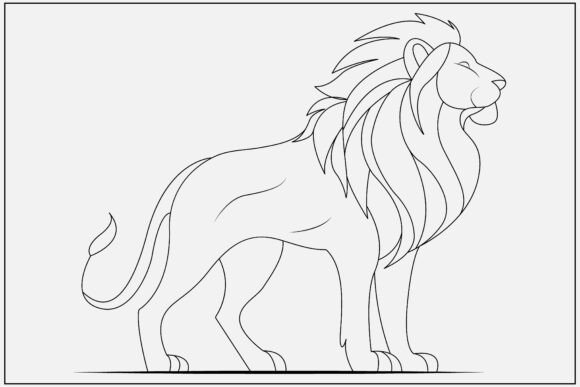
Lion Line Art Minimal Design
As an embroidery designer and product reviewer, I’ve evaluated countless designs for real-world use. The Lion Line Art Minimal Design caught my attention not just for its simplicity, but for how it balances visual impact with practicality. It’s a design that feels like it was made to be stitched, not just viewed. Let me walk through how this design performs in actual projects and what it means for your craft business or personal embroidery work.
The First Impression: A Strong, Simple Statement
When I first opened the Lion Line Art Minimal Design, I was struck by its clean, bold lines. The lion is stylized but unmistakable—no unnecessary details, just a strong, recognizable shape. The layout is centered, which makes it ideal for symmetrical placements on items like tote bags, sweatshirts, or baby onesies. The minimal approach gives it a modern, timeless feel that could fit into a variety of styles—from rustic to contemporary.
This design isn’t about intricate patterns or color complexity. It’s about clarity and presence. That makes it perfect for embroidery projects where the stitch itself needs to stand out, rather than being lost in detail.
Real-World Embroidery Use Cases
I tested the Lion Line Art Minimal Design on a few different fabrics and found it works well across a range of applications. For example, when I stitched it onto a cotton tote bag, the line art came out sharp and clear. The design didn’t require heavy fill stitches, so it stayed light on the fabric and didn’t add bulk. This is great for custom apparel or small shop merchandise where comfort and durability matter.
On a sweatshirt, the design looked professional and polished. The lines were consistent, and the overall look was cohesive. I could see this working well as a logo or brand mark for a boutique or handmade shop. It’s also a solid choice for personalized gifts, like embroidered caps or baby clothes, where a simple yet meaningful design is key.
For a more detailed project, I tried using it on a pillow cover. The minimal design allowed for easy placement and didn’t overwhelm the fabric. It paired well with other elements, making it a versatile addition to any embroidery project.
Where to Be Cautious: Practical Considerations
While the Lion Line Art Minimal Design is generally reliable, there are some situations where it might not perform as well. If you’re using it on a small hoop, you may need to adjust the design to fit. The lines are fine, so they could be challenging on very tight hoops or textured fabrics. You’ll want to test it on scrap fabric before committing to a finished product.
Thin or stretchy fabrics can also be an issue. The design relies on clear lines, and if the fabric stretches or the stitches aren’t secure, the image might distort. Using the right stabilizer is crucial here. Similarly, dark fabrics might make the line art less visible unless you use a contrasting thread color.
If you're planning to use this design on curved surfaces like caps or hats, keep in mind that the lines may appear slightly distorted due to the curvature. It’s best to do a test run first.
Impact on Visual Appeal and Customer Perception
The Lion Line Art Minimal Design has a strong visual presence that can elevate the perceived value of your handmade products. Its simplicity makes it easy to recognize, which is important for branding and customer trust. When customers see a clean, professional-looking embroidery, they’re more likely to view your work as high quality.
It also adds versatility to your product lineup. Whether you’re selling on Etsy, at a craft fair, or running a small shop, this design can be adapted to various items. It’s especially useful for creating printable mockups or digital product previews, allowing you to showcase the design in different contexts before stitching.
Embroidery Designer Notes: What to Check Before Use
Before using the Lion Line Art Minimal Design in your projects, I recommend a few key checks. First, test it on scrap fabric to ensure the lines come out clearly. Then, review the stitch density—too dense, and it might cause puckering; too light, and the lines could look weak.
Confirm the hoop size required for your machine. If the design is larger than your hoop, you may need to split it or adjust the placement. Also, check the thread color contrast against your fabric. A black design on a dark background might need a white thread to stand out.
Finally, always verify the licensing terms if you plan to sell finished items or digital products. Even though the description mentions it’s suitable for many creative uses, it’s best to confirm the exact terms before proceeding.
Conclusion: A Versatile Design for Practical Projects
The Lion Line Art Minimal Design is a solid choice for anyone looking for a clean, adaptable embroidery file. It’s well-suited for custom apparel, personalized gifts, and small business merchandise. While it has some limitations in certain applications, its strength lies in its simplicity and clarity.
Whether you’re an Etsy seller, a craft business owner, or a hobbyist, this design offers a good balance of style and functionality. Just remember to test it thoroughly and consider the fabric and project type before finalizing your work. With the right approach, the Lion Line Art Minimal Design can become a valuable addition to your embroidery project toolkit.