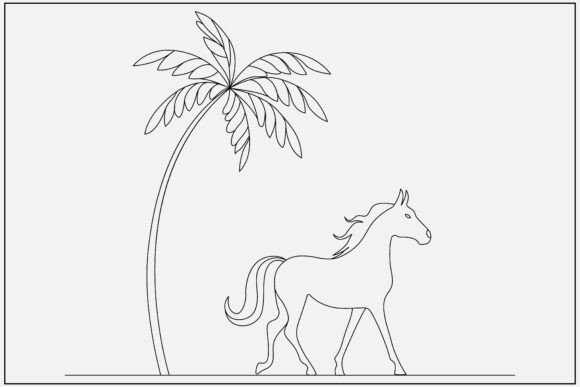
Tree with Horse Line Art
As a designer and embroidery product reviewer, I’ve evaluated countless machine embroidery designs. Tree with Horse Line Art stands out for its clean, nostalgic charm and versatility across multiple applications. This line art design is perfect for custom apparel, home decor, and personalized gifts, but it requires careful consideration to ensure it translates well in real-world embroidery projects.
The First Impression: A Timeless, Simple Design
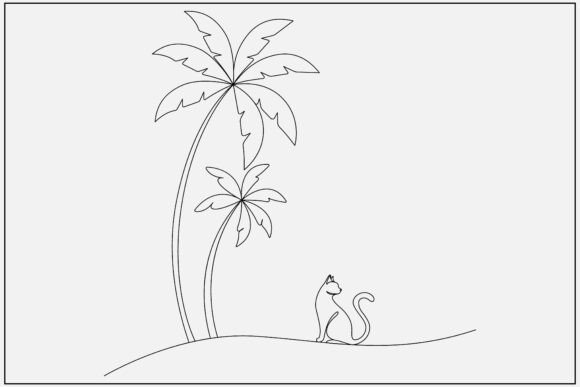
Tree with Horse Line Art immediately evokes a sense of calm and whimsy. The composition features a tall tree with a horse standing beside it, all rendered in bold, continuous lines. The visual personality is straightforward yet expressive, making it ideal for handmade products that aim to feel personal and meaningful. The layout is balanced, with enough detail to be engaging without being overwhelming.
This design naturally fits into projects like baby clothes, holiday gifts, or wall art. Its simplicity makes it adaptable to various color schemes and fabric types, which is a big plus for small business owners and Etsy sellers looking for flexible design assets.
Real-World Embroidery Performance
When used in custom apparel like t-shirts or sweatshirts, Tree with Horse Line Art holds up well. The line work is clear and easy to stitch, making it a good choice for beginners and experienced embroiderers alike. However, the design’s effectiveness depends on the stitch density and the type of fabric used.
On thin or stretchy fabrics, the design may appear slightly distorted if not properly stabilized. For this reason, I recommend using a medium-weight tear-away stabilizer, especially when working with lighter materials. On darker fabrics, the contrast between the thread colors and the background becomes crucial—opting for a contrasting color can make the design pop more effectively.
For embroidered patches or applique designs, the line art works beautifully. The clean lines allow for precise stitching, and the overall shape is easy to adapt to different sizes. However, when scaling the design down for small hoop sizes, some details might get lost. It’s best to test the design on scrap fabric before committing to a final project.
Where to Use It Carefully
While Tree with Horse Line Art is versatile, there are situations where it may not perform as well. On textured fabrics or curved surfaces like caps, the design can become less defined due to the way the stitches interact with the material. Similarly, on very thin or stretchy fabrics, the design might not hold up over time, especially with frequent washing.
Dense stitch areas or detailed corners could also pose challenges. If the design is too intricate for the available hoop size, parts of the artwork may be cut off or misaligned. It’s important to confirm the correct hoop size and adjust the design accordingly before starting any project.
For commercial embroidery projects, especially those involving layered garments or dark-colored fabrics, testing the design in black and white mockups is essential. This helps visualize how the design will look under different conditions and ensures it meets the desired aesthetic standards.
Impact on Visual Appeal and Customer Perception
Tree with Horse Line Art has a strong visual appeal when executed correctly. Its clean lines and simple composition make it easy to recognize, which is great for branding and marketing. As a handmade product, it adds a personal touch that customers often appreciate, especially for personalized gifts or custom apparel.
From a customer perspective, the design feels authentic and thoughtful. It’s a good fit for boutique products, craft fair items, and small shop merchandise that emphasize creativity and craftsmanship. The design also enhances the perceived value of finished products, as its clarity and style contribute to a professional look.
For Etsy sellers and digital product sellers, this design offers a solid foundation for printable mockups and digital embroidery files. It’s an excellent asset for creating consistent branding across different product lines, from tote bags to pillow covers.
Practical Designer Notes
Before using Tree with Horse Line Art in any project, I always recommend testing it on scrap fabric. This allows you to see how the design looks in real life and make adjustments if needed. Checking the thread color contrast is also important—especially on dark or light backgrounds—to ensure the design stands out as intended.
Reviewing the stitch density is another key step. If the design is too dense, it may cause puckering or distortion on certain fabrics. Adjusting the stitch count or using a different stitch type, like running stitch or satin stitch, can help achieve a better result.
Confirming the hoop size is essential, particularly for smaller embroidery machines. If the design doesn’t fit within the available hoop space, it may need to be split or resized. Inspecting small details, such as the horse’s head or the tree’s branches, ensures they remain visible and well-defined after stitching.
Finally, always check the licensing terms before selling finished items or digital products. Even though Tree with Horse Line Art seems suitable for both personal and commercial use, verifying the exact terms is crucial to avoid any legal issues down the line.