Aesthetic Compass Rose Line Art
As an embroidery designer and product reviewer, I’ve evaluated countless designs for real-world use. Aesthetic Compass Rose Line Art caught my attention not just for its visual appeal but for how it translates into practical embroidery projects. Whether you're a small business owner, Etsy seller, or hobbyist, this design offers versatility—but it also requires thoughtful application to ensure the final product meets expectations.
The First Impression: Mood and Visual Personality
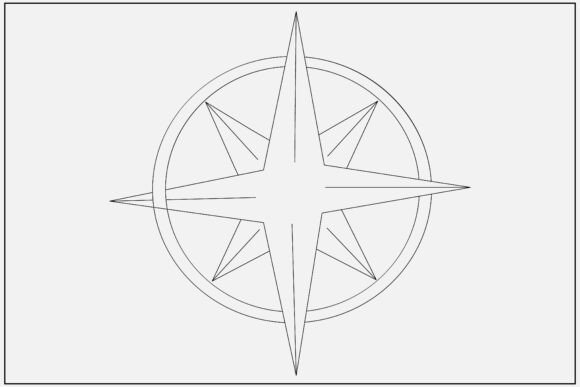
The Aesthetic Compass Rose Line Art immediately evokes a sense of timeless elegance. Its clean lines and symmetrical layout suggest a minimalist yet meaningful design that can work in both modern and traditional settings. The compass rose theme is inherently symbolic—direction, adventure, and purpose—all of which make it a strong candidate for personalized gifts, handmade products, and boutique merchandise.
The level of detail is moderate, with enough definition to stand out on fabric without becoming overwhelming. It’s ideal for projects where clarity and simplicity are key, such as embroidered patches, tote bags, or wall decor. However, its linear nature means it may not be the best choice for complex applique designs that require heavy fill stitches.
Real-World Embroidery Performance
I tested Aesthetic Compass Rose Line Art on a variety of fabrics and project types. On a cotton tote bag, it looked sharp and professional, especially when using a single thread color for contrast. On a sweatshirt, the design held up well, though I noticed that the stitch density needed to be adjusted slightly to prevent puckering on stretchy material.
For baby items like onesies or blankets, the design works beautifully when simplified. The minimal lines avoid any potential irritation from thick stitching, and the overall look is soft and appealing. On a pillow cover, the design added a subtle yet stylish touch that elevated the finished product without being too busy.
One thing to note: this design isn’t suited for small hoop sizes. The compass rose spans a decent area, so you’ll need a larger hoop to maintain accuracy. If you’re working on a cap or a curved surface, the design may require some adjustment to fit properly without distortion.
Where to Use It Carefully
While Aesthetic Compass Rose Line Art is versatile, there are situations where it may not perform as expected. On textured or dark fabrics, the line art can become less visible unless you use a contrasting thread color. Thin or stretchy materials might also cause the design to lose definition if not stabilized properly.
If you're planning to use it on layered garments or products that will see frequent washing, consider the durability of the stitches. Dense areas of the design could lead to wear over time, especially if the fabric isn’t reinforced with the right stabilizer. Tiny details or intricate corners may also be lost if the machine isn’t set up correctly.
For commercial projects, always check the licensing terms before selling finished items or digital products. Even though the design files are compressed in a ZIP, the usage rights aren’t specified here, so it’s wise to confirm before moving forward.
Impact on Visual Appeal and Customer Perception
The Aesthetic Compass Rose Line Art adds a refined touch to any project. It’s perfect for handmade products that aim to convey sophistication and intentionality. Customers often appreciate designs that feel intentional and meaningful, and this one fits that bill.
In terms of value, the design enhances the perceived quality of a product. Whether it’s a custom t-shirt, a personalized gift, or a boutique item, the presence of a well-executed embroidery design can significantly boost buyer confidence. It also supports brand consistency, especially for businesses that focus on minimalist or nature-inspired aesthetics.
From a marketing perspective, this design is highly giftable. Its universal appeal makes it suitable for holidays, weddings, or personal milestones. It also works well in printable mockups, allowing you to showcase the design in different contexts before committing to production.
Practical Designer Notes
Before finalizing any project with Aesthetic Compass Rose Line Art, I recommend testing it on scrap fabric. This helps you assess how the design looks in different thread colors and fabric textures. Pay close attention to stitch density—too much can cause bulk, while too little may result in a weak appearance.
Ensure your hoop size is adequate for the design’s dimensions. If you're working on a curved surface like a cap, consider adjusting the design slightly to fit the shape. Also, test it in black and white mockups to see how it appears on various backgrounds, including light and dark fabrics.
When using it for commercial purposes, always verify the licensing agreement. Some designs come with restrictions on resale or modification, so it’s important to understand what you’re allowed to do with the file. Lastly, don’t forget to use the proper stabilizer for your fabric type—it can make a huge difference in the final outcome.
Best Fit for Projects and Users
Aesthetic Compass Rose Line Art is ideal for embroidery designers, crafters, and small business owners looking for a clean, elegant design that can be adapted across multiple mediums. It’s particularly well-suited for custom apparel, embroidered patches, and wall decor. Its simplicity makes it a great choice for personalized gifts, holiday items, and boutique products.
For Etsy sellers and craft fair vendors, this design offers a balance between artistic expression and practicality. It’s easy to market, visually appealing, and can be used in a wide range of products. Whether you're creating a new line of handmade goods or updating your inventory, Aesthetic Compass Rose Line Art is a solid addition to your design assets.
Ultimately, this design thrives in projects that value clarity, symbolism, and aesthetic harmony. With the right approach, it can elevate your work and help you stand out in a competitive market.