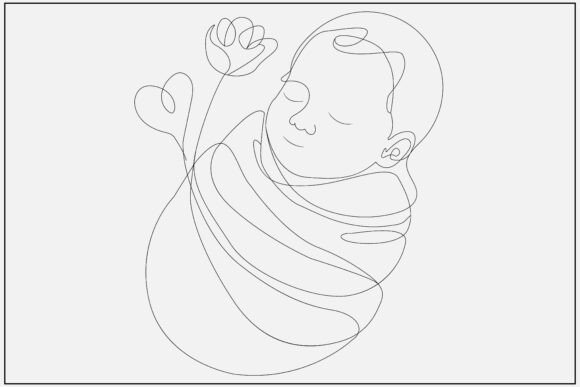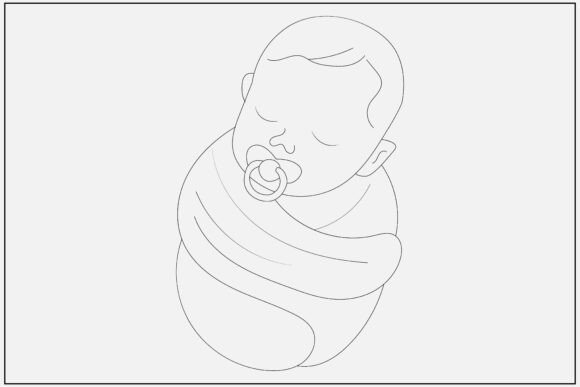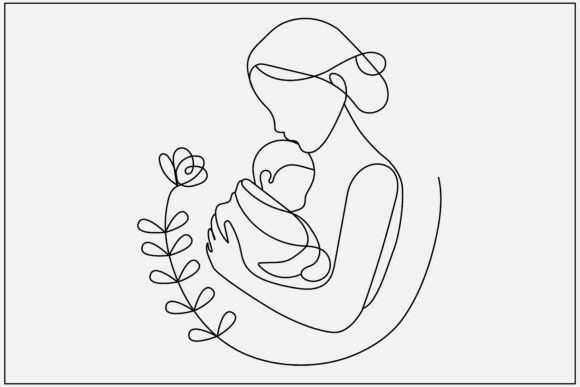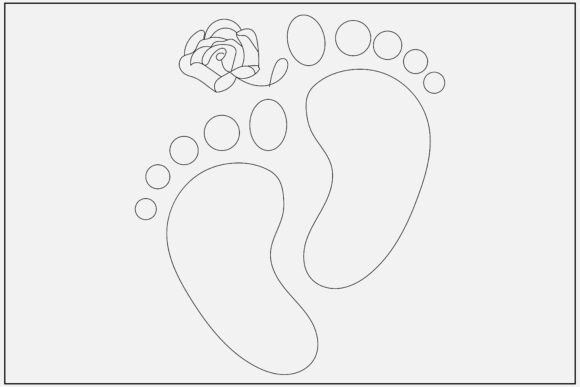
Baby Steps Rose Line Art
As a designer and embroidery product reviewer, I often find myself evaluating designs that promise creativity but may not deliver in real-world applications. Baby Steps Rose Line Art is one such design that caught my attention for its clean, minimalist aesthetic and potential versatility across various projects. But what does it really look like when stitched out? How does it perform on different fabrics and in different sizes? Let’s dive into the details.
The First Impression: A Simple Yet Elegant Design
From the moment I opened the Baby Steps Rose Line Art files, I was struck by its simplicity. The line art is precise, with clear outlines and gentle curves that evoke a sense of softness and innocence. It feels like a design that could easily be adapted to a range of styles, from modern to traditional. The layout is balanced, making it suitable for both centered and asymmetrical placements on garments or home decor items.
This design is ideal for projects that require a delicate touch—think baby clothes, nursery wall art, or personalized gifts. Its minimal detail allows for easy customization, whether you want to add text, change colors, or pair it with other elements. It’s not overly complex, which makes it perfect for beginners or those looking for a straightforward embroidery project.
Real-World Embroidery Use Cases
One of the first scenarios I imagined was using Baby Steps Rose Line Art on a custom tote bag for a client. Tote bags are a popular item among Etsy sellers and small shop owners, and this design could easily become a standout piece. The line work would pop against light-colored fabrics, and the overall look is clean enough to appeal to a wide audience.
I also considered how it might work on a sweatshirt or t-shirt. The design’s size and structure make it suitable for mid-sized hoops, which is great for most home embroidery machines. However, if you’re working with a smaller hoop, you may need to break the design into sections or adjust the placement accordingly.
For baby items, such as onesies or blankets, the soft lines of Baby Steps Rose Line Art offer a gentle, timeless feel. It’s a design that could be used for personalized gifts, making it a valuable addition to any craft business or handmade shop.
Where to Be Cautious: Practical Considerations
While Baby Steps Rose Line Art is versatile, there are some situations where it may not perform as well. On textured or stretchy fabrics, the design could lose some of its clarity. Thin or dark fabrics may also affect the visibility of the line art, especially if the thread color isn’t chosen carefully.
If you’re planning to use this design on curved surfaces like caps or hats, you’ll need to pay close attention to the hoop size and stabilizer. The design’s delicate lines may not hold up well on tight curves or areas with limited space. Similarly, if you're working with dense stitch areas, you may need to adjust the stitch density to prevent puckering or distortion.
For commercial projects, it’s important to confirm the licensing terms before selling finished products or digital files. While the product description mentions it can be used for various creative products, specifics about commercial use aren’t provided. Always double-check the license to avoid any legal issues.
Impact on Visual Appeal and Customer Perception
When it comes to visual appeal, Baby Steps Rose Line Art is a strong contender. Its clean lines and simple composition make it easy to integrate into different design schemes. Whether it's used as a standalone element or paired with other graphics, it adds a touch of elegance without overwhelming the overall look.
Stitching clarity is another key factor. The design’s low stitch count and even distribution ensure that it looks sharp and professional. This is particularly important for handmade products, where quality and precision can make a big difference in customer satisfaction.
From a business perspective, Baby Steps Rose Line Art offers value. It’s a design that can be used in multiple ways, helping to maximize your creative output while maintaining consistency in your brand’s aesthetic. For Etsy sellers and small shop owners, this kind of design can enhance product listings, increase buyer engagement, and improve the overall presentation of your offerings.
Embroidery Designer Notes: What to Check Before Using
Before finalizing any project with Baby Steps Rose Line Art, I recommend testing the design on scrap fabric. This will help you see how it looks in real life and identify any potential issues with stitch density, thread color, or fabric compatibility.
Also, consider how the design will appear on different backgrounds. Test it in black and white mockups to see how it stands out against light or dark fabrics. If you’re using it for a printable mockup or digital product preview, make sure the file is high resolution and properly formatted.
Proper stabilizer use is crucial, especially when working with delicate or stretchy fabrics. Without the right support, the design may pucker or distort during stitching. And don’t forget to check the hoop size—some designs may require a larger hoop than you expect, depending on their dimensions.
Final Thoughts: A Useful Addition to Your Design Library
Baby Steps Rose Line Art is a design that offers both beauty and practicality. It’s a great choice for a variety of embroidery projects, from custom apparel to personalized gifts. While it has some limitations in certain situations, its clean lines and adaptability make it a valuable asset for any designer or craft business.
If you’re looking for a machine embroidery design that can be used across multiple products and styles, Baby Steps Rose Line Art is definitely worth considering. Just remember to test it thoroughly, choose the right thread colors, and always check the licensing before selling anything. With the right approach, this design can become a staple in your creative workflow.